Powering Future Flight
Hydrogen-Electric Propulsion & Power
Powering Future Flight
Hydrogen-Electric Propulsion & Power
Electric aircraft are cleaner, quieter, more efficient, more affordable and easier to maintain. Hydrogen fuel cell systems are the critical enablers for delivering at scale.
ZeroAvia is the leading developer of aerospace-grade hydrogen-electric propulsion and power systems, enabling a new era of clean, efficient and resilient flight.
Cleaner
Lower Cost

Quieter

Scalable
Aviation’s climate impact will grow exponentially without scalable, affordable and holistic solutions


Delivering the Future of Flight
Fuel Cell PGS
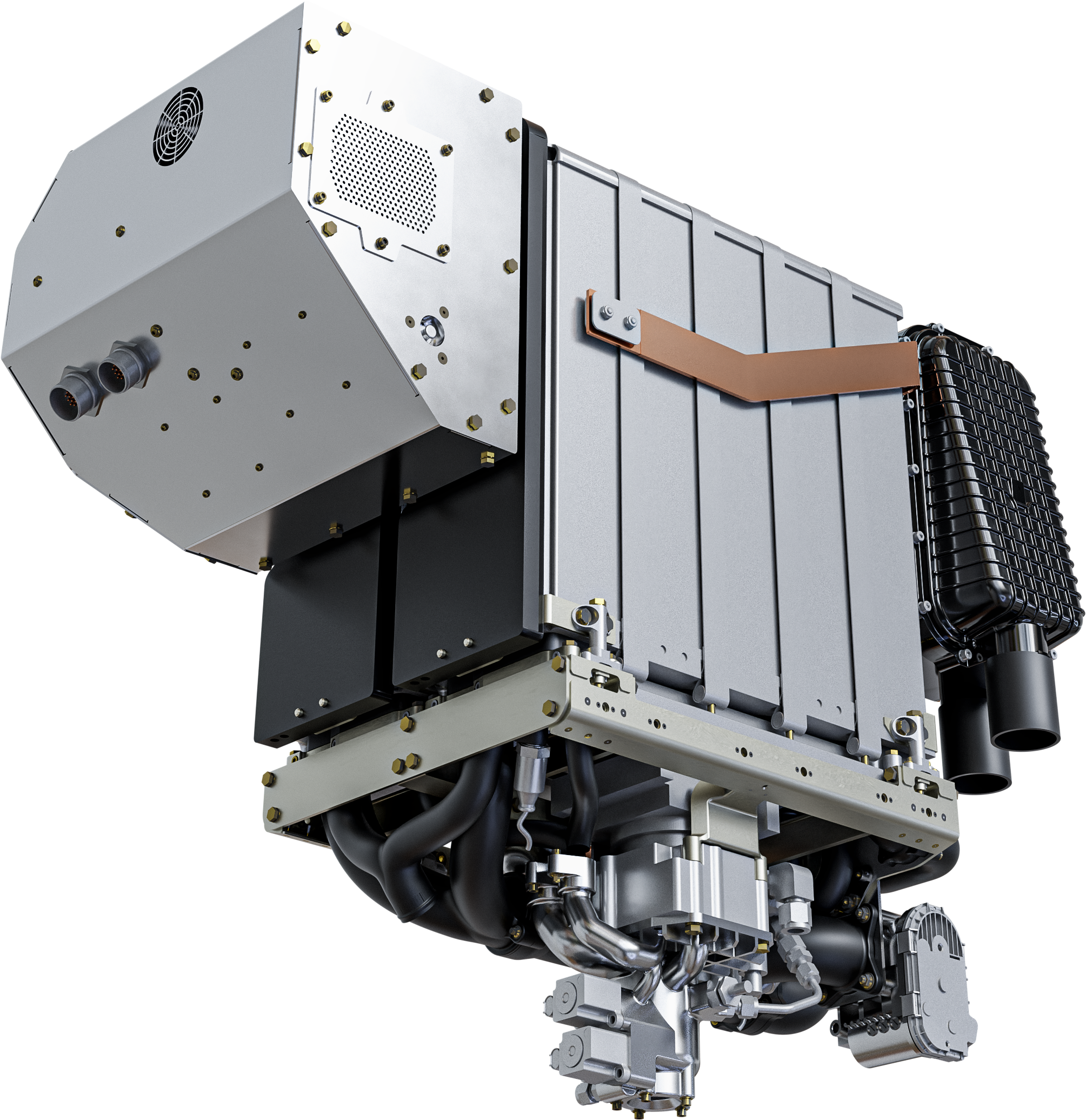
Breakthrough hydrogen production and refueling technologies combined with peerless knowledge on developing airport hydrogen ecosystems.
Powertrains
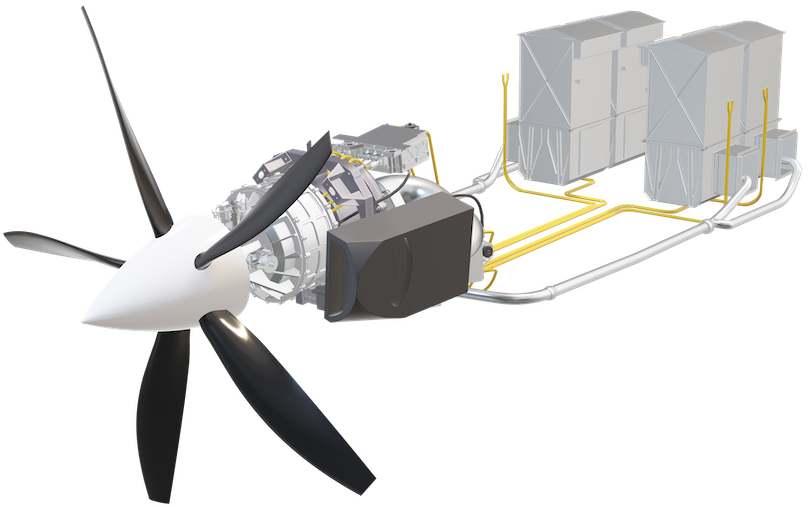
Hydrogen-electric powertrains for 10-20 seat and 40-80 seat regional aircraft. Delivering truly clean flight with lower operating costs.

Tech Portfolio
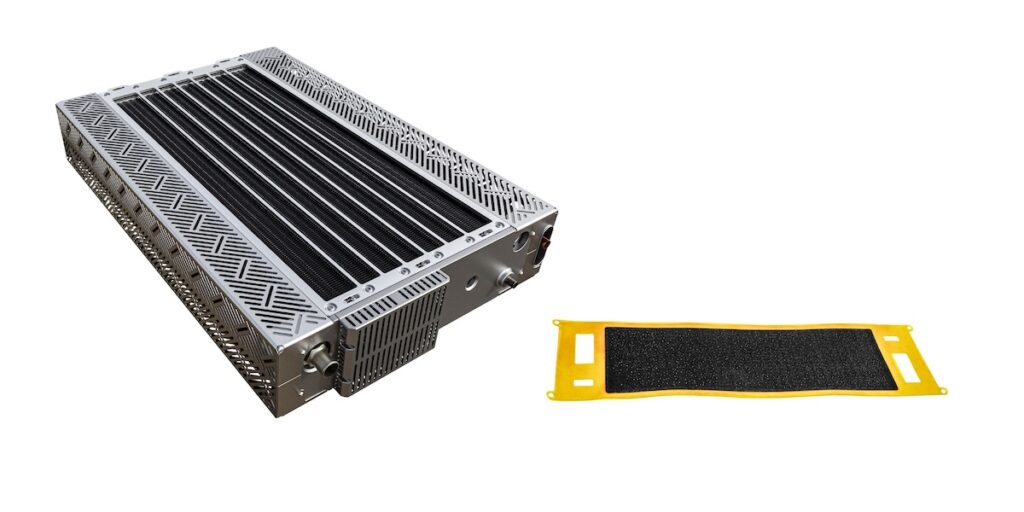
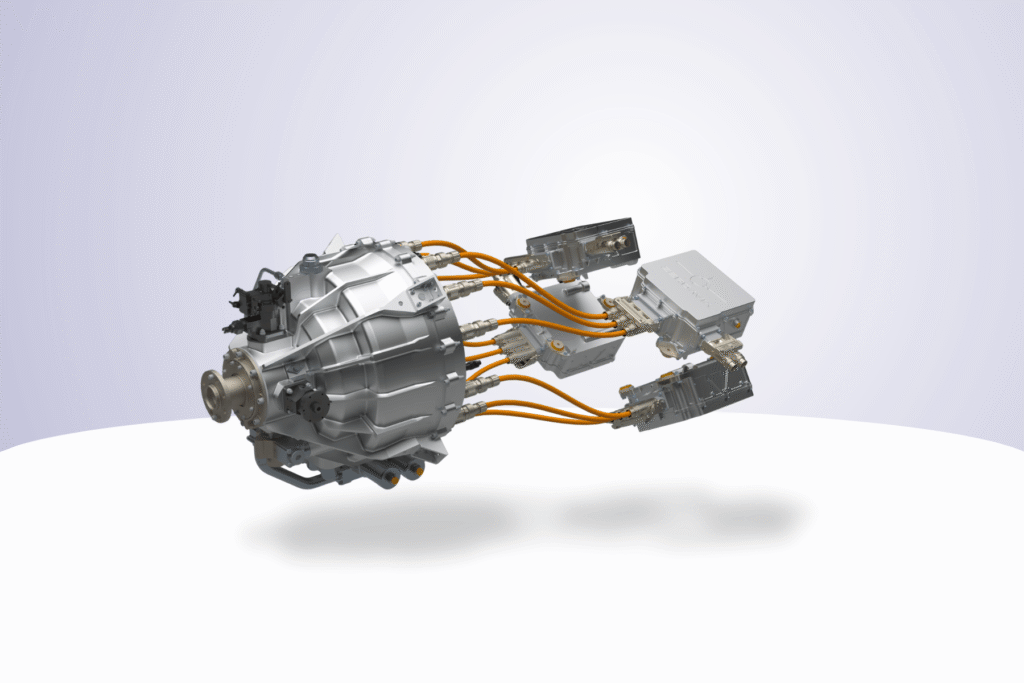
Hydrogen fuel cell and electric propulsion system components with high power density, flexibility and reliability, offering a step change for electric aircraft.
Applications
ZeroAvia is spearheading the development and delivery of aerospace-grade hydrogen-electric propulsion and power systems for a range of commercial and defense platforms.
UAV
Hydrogen-Electric UAV can fly three to five times longer, enabling extended surveillance, reconnaissance, and strike missions.
Trainer
The only alternative propulsion system that can deliver lower operating costs, rapid refueling, improved operational endurance.
Fixed-wing
Delivering cleaner, quieter and more efficient transport aircraft with high endurance and smooth operations.
Customers & Partners
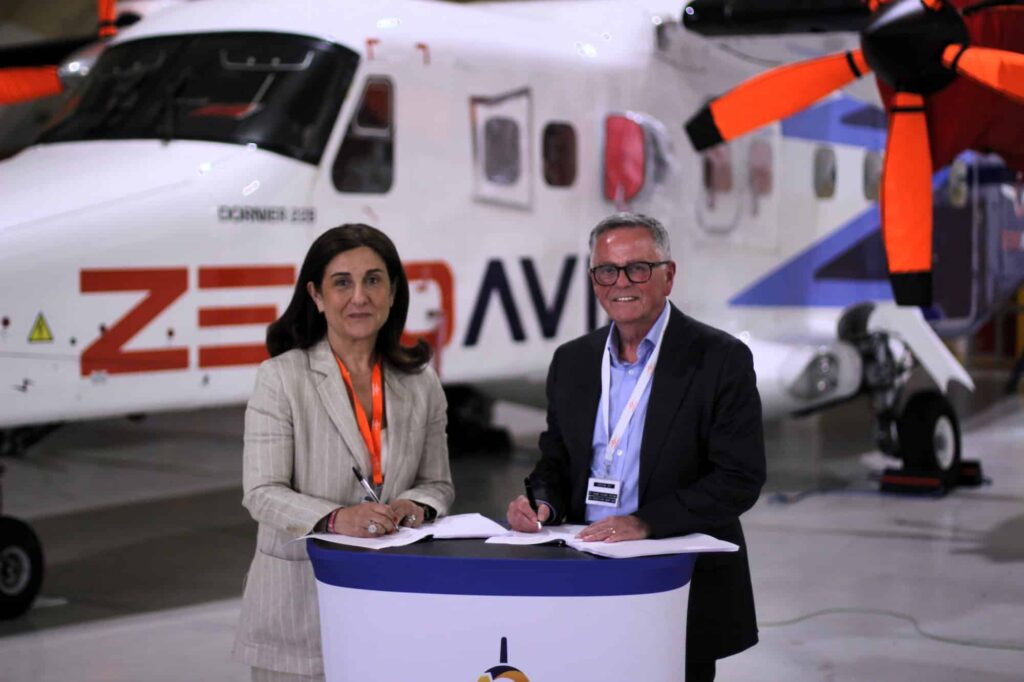
Speak with a representative to explore our offerings and potential partnerships.
Graph 1: ICSA (2016). ICSA calls for Environmental Integrity and Broad Participation on International Efforts to Offset Aviation Pollution & Air Transport Action Group (2021), Waypoint 2050
Graph 2:
EASA (2020). Updated analysis of the non-CO2 climate impacts of aviation and potential policy measures pursuant to the EU Emissions Trading System Directive Article 30(4)
Graph 3: Transport & Environment (2025). Why European aviation needs to urgently address its growth problem