


Scaling Hydrogen Electric Propulsion for Large Aircraft
Discover the system requirements, technological advancements, and configurations needed to scale hydrogen-electric engines for larger regional turboprops, regional jets, and narrowbody aircraft.
Covered in the Whitepaper
Can hydrogen-electric engines — using fuel cells and hydrogen fuel to generate electricity and power electric motors, emitting only water vapor — drive narrowbody aircraft like the Boeing 737 and Airbus A320?
This paper aims to spark industry discussion and answer the question above by exploring the technological requirements and feasibility of fuel cell propulsion for various aircraft. Achieving this would significantly reduce aviation emissions and enhance economic viability, allowing for continued growth and global connectivity.

Large Regional Turbprops
The 40-80 seat regional turboprop market is vital, with 6,000 aircraft operating on 58,000 routes and 170 million seat movements annually, offering significant potential for reducing aviation’s climate impact.

Regional Jets
With over 4,000 regional jets in commercial service and many more in business and private aviation, this segment presents a substantial opportunity for mitigating aviation’s climate footprint.

Narrowbody
Narrowbody aircraft, with 20,000 planes on 85,000 routes, account for 43% of aviation’s carbon emissions, moving 4.1 billion seats annually, making them key targets for reducing aviation’s climate impact.
System Requirements and Technology Pathways

Hydrogen Storage

Power Generation System

Electric Propulsion Systems
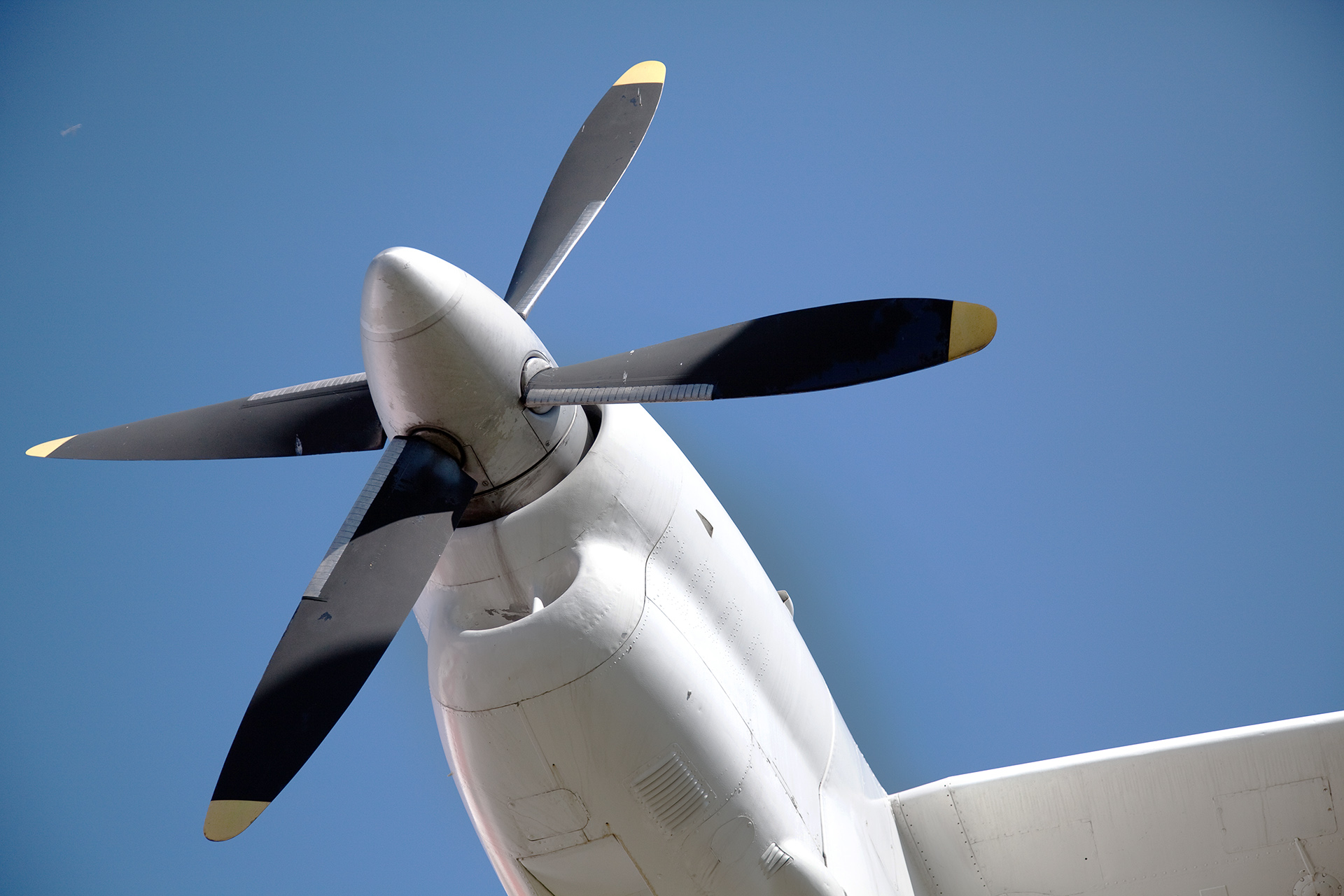
Propulsors


