Ammira Shaheena, Author at ZeroAvia

    Please enter your email to subscribe to our newsletter.


    Cancel

    ZeroAvia Successful in €21m European Union Grant Application to Deliver World’s First Network of Hydrogen Aircraft in Norway 

    The Innovation Fund selected project will support the introduction of zero-emission hydrogen aircraft for the first time in the European Economic Area (EEA)

    Project ODIN (Operations to Decarbonize Interconnectivity in Norway) also sees the European Commission recognise hydrogen-electric aviation as a strategic technology

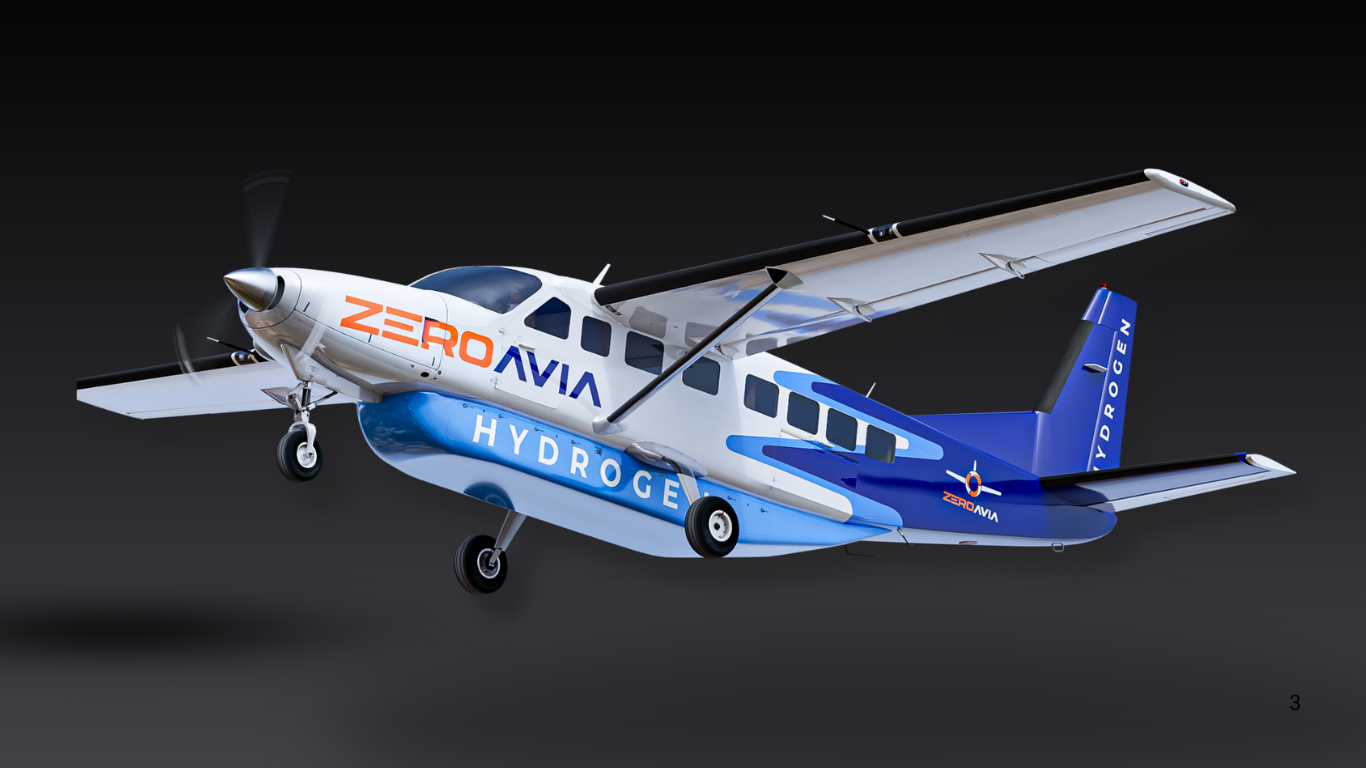
    [Kemble, UK & Everett, WA – November 6th – 2025] ZeroAvia today announced that its application to the Innovation Fund for a €21.4m grant to support the introduction of hydrogen-electric aircraft has been selected for grant agreement preparation. The project will support the retrofit of 15 Cessna Caravan aircraft with ZeroAvia’s ZA600 hydrogen-electric engines and the establishment of the supporting airport hydrogen fuel technologies, with operations planned to commence in 2028. 


    These zero-emission aircraft are planned to replace conventional kerosene-fueled turboprops on cargo routes and expected to see in excess of 95% reduction in greenhouse gas emissions. The project will also work to deliver hydrogen refuelling and storage infrastructure at 15 airports in Norway, establishing the world’s largest network of zero-emission commercial flights. The air operators for the network will be announced in due course.


    The ODIN project aims to validate the technical performance and economic case for utilizing hydrogen-electric aircraft in commercial operations, with a view to catalyzing further adoption in Norway, across the EU and further afield.  


    The project proposal was found to contribute to the objectives of the EU initiative “Strategic Technologies for Europe Platform (STEP)” and meets the requirements to receive the STEP Seal. The STEP Seal is a quality label awarded by the European Commission dedicated to boosting investment in critical technologies in Europe. ​ 


    ZeroAvia’s ZA600 powertrain uses fuel cells to generate electricity from hydrogen fuel without reliance on combustion, meaning that the only emission is low-temperature water vapour. ZeroAvia has already flight tested a prototype of this system, is now ground testing its final design for certification, and concurrently working with both the UK Civil Aviation Authority and US Federal Aviation Administration on certification programmes related to the engine.  

    Val Miftakhov, Founder & CEO,  ZeroAvia said: 

    The EU Innovation Fund is notoriously competitive with applications needing to pass through rigorous assessment and demonstrate compelling evidence for near-term greenhouse gas reductions. This project will set a phenomenal example by introducing a scaled network of hydrogen-electric aircraft operations, efficiently delivering vital goods to people and businesses across Norway without the typical associated environmental damage.”  
    The Innovation Fund, financed by EU Emissions Trading System revenues, is one of the world’s largest funding programmes for the demonstration of innovative low-carbon technologies. The Fund focuses on highly innovative clean technologies and big flagship projects with European added value that can bring significant emission and greenhouse gas reductions. 

    Subscribe to our Newsletter

    About ZeroAvia 


    ZeroAvia is leading the transition to a clean future of flight by developing electric propulsion technologies for aviation to unlock lower costs and emissions, cleaner air, reduced noise, energy independence and increased connectivity. The company is developing hydrogen-electric (fuel cell-powered) engines for existing commercial aircraft segments and also supplying hydrogen and electric propulsion component technologies for novel electric air transport applications (including battery, hybrid and fuel cell powered electric fixed-wing aircraft, novel eVTOL designs, rotorcraft and Unmanned Aerial Vehicles). ZeroAvia has submitted its first full engine for up to 20-seat planes for certification and is working on a larger powertrain for 40–80-seat aircraft, with significant flight test and regulatory milestones achieved with the U.S. FAA and UK CAA.  


    For more, please visit ZeroAvia.com, follow @ZeroAvia on Facebook, Twitter/X, Instagram, LinkedIn, and YouTube. 


    ZeroAvia Press Team

    press@zeroavia.com

    ZeroAvia Certification-Intent Fuel Cell System Successfully Replicates Full Flight Profile in Ground Test   

    Building on breakthrough flight testing, certification-intent design of fuel cell module on track to be world’s first to meet CS-E and CS-23 certification requirements

    Venturi mechanism for aviation fuel cell system revealed as part of design, enhancing specific power and easing pathway to certification

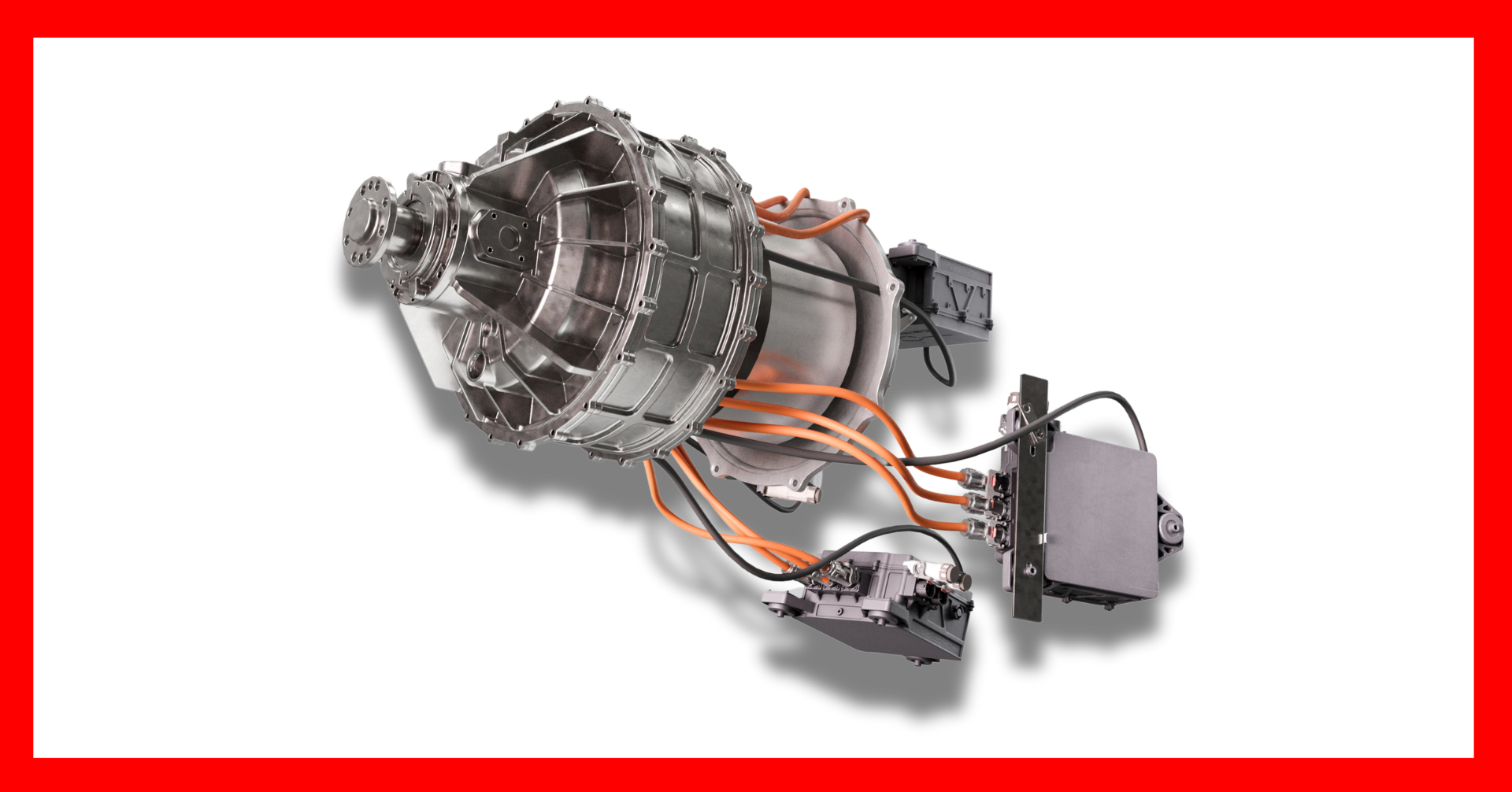
    [Kemble, UK & Everett, WA – September 2nd 2025] ZeroAvia today announced that it has completed a full flight profile ground test of its certification-intent low temperature proton exchange membrane (LTPEM) fuel cell power generation system (PGS) for the ZA600 hydrogen-electric powertrain.


    The test simulated a 250 nautical mile flight in a Cessna Caravan 208b aircraft, equivalent to flying between London Heathrow and Dublin Airport. During the 2 hour and 38 minute test, the fuel cell system demonstrated stable power output and excellent performance of the balance-of-plants, with each 200kW capable module producing 170kW power for take-off, 132kW during a 23-minute climb and 83kW for a 90-minute cruise. As part of the ZA600 hydrogen-electric powertrain for up to 20 seat planes, four 200kW rated modules of the dual stack PGS will provide electrical power for ZeroAvia’s 600kW electric propulsion system, recently the subject of G-1 and P-1 issue papers from the FAA.


    Each module is capable of feeding DC electrical power to four ZeroAvia 200kW rated inverters, which in turn provide AC power to one of four segments of the company’s proprietary 600kW motor design. The segregated system enables full power operation of the motor if there is failure in one leg, creating a high degree of fault tolerance.  


    For the ZA600 engine, ZeroAvia has created a multi-stack balance-of-plant architecture capable of delivering 1.4 kW/kg power density. Since initial breakthrough flight tests, the company has been working to finalize the design of the certification-intent ZA600 as it works to certify with the UK CAA.  


    The company also revealed today that it has been able to optimize the weight and operation of its ZA600 power generation system (PGS) through the design and development of a bespoke passive Venturi ejector device (in conjunction with supplier The Lee Company) for the recirculation of hydrogen gas within the fuel cell system.


    The latest round of testing has seen the light and compact Venturi emulating the performance of a typical electrically-driven hydrogen blower, but with many advantages. Where the heavy and bulky blower system draws parasitic power from the fuel cells, the Venturi does not, boosting the overall specific power of the system. As a passive mechanical body, the Venturi also promises very low failure rates. 


    ZeroAvia’s Venturi design also simplifies the certification of the system as it is reliant on the DO160G environmental qualification, as opposed to the more stringent DO254 for complex hardware that would face a system utilizing the electric blower.  


    ZeroAvia’s ZA600 power generation system is the world’s first fuel cell module designed to meet CS-E and CS-23 certification requirements. The innovative balance of plant is en route to full certification and commercialization and is well advanced in the requirements validation testing campaign. 


    With both core components of the powertrain now in bench testing, ZeroAvia will move to full engine ground testing of the final design in the next few weeks. The rapid progression to this milestone for the ZA600 power generation system has been made possible by ZeroAvia’s strategy to invest in world class in-house testing facilities. ZeroAvia has built a 2MW capable fuel cell test lab at its Gloucestershire R&D center. ZeroAvia’s fuel cell test lab is equipped with two bays, which has enabled testing the systems in an open frame environment, while also progressing the volume constrained, certification-intent system. 

    Val Miftakhov, Founder & CEO,  ZeroAvia said: 


    “We have shown the possibilities by flying a prototype of the ZA600 system on shorter range missions, and we are now seeing the final design replicating customer needs in ground testing, and pushing the boundaries of performance with new innovations.”  


    “What we have achieved with the Venturi is genuinely groundbreaking and further enhances an already commercially attractive, highly efficient and certifiable fuel cell propulsion system. This innovation is one of many that our team have brought into the design of this pioneering system, including novel humidification approach, novel gas distribution system and the multistack BoP architecture itself. Importantly, all of these innovations now have a clear and direct path to aviation qualification and certification.” 

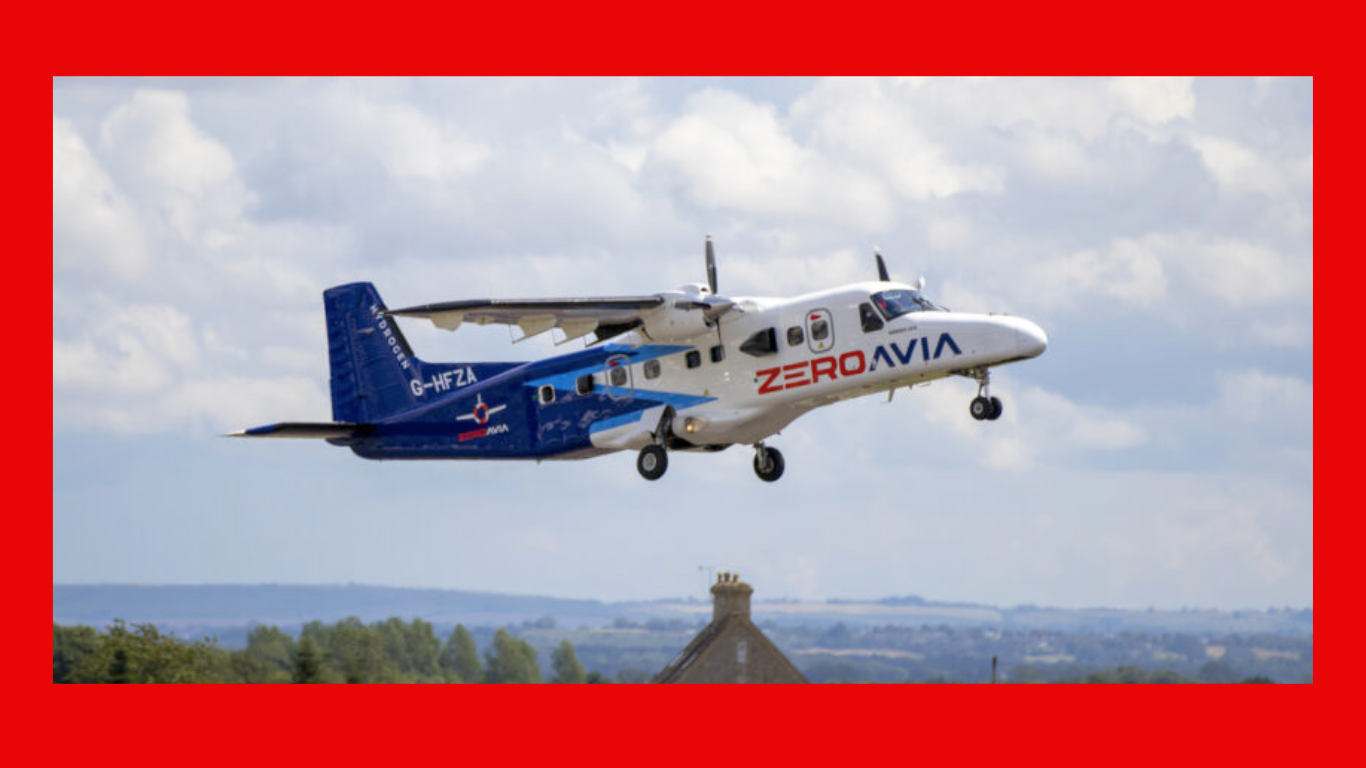
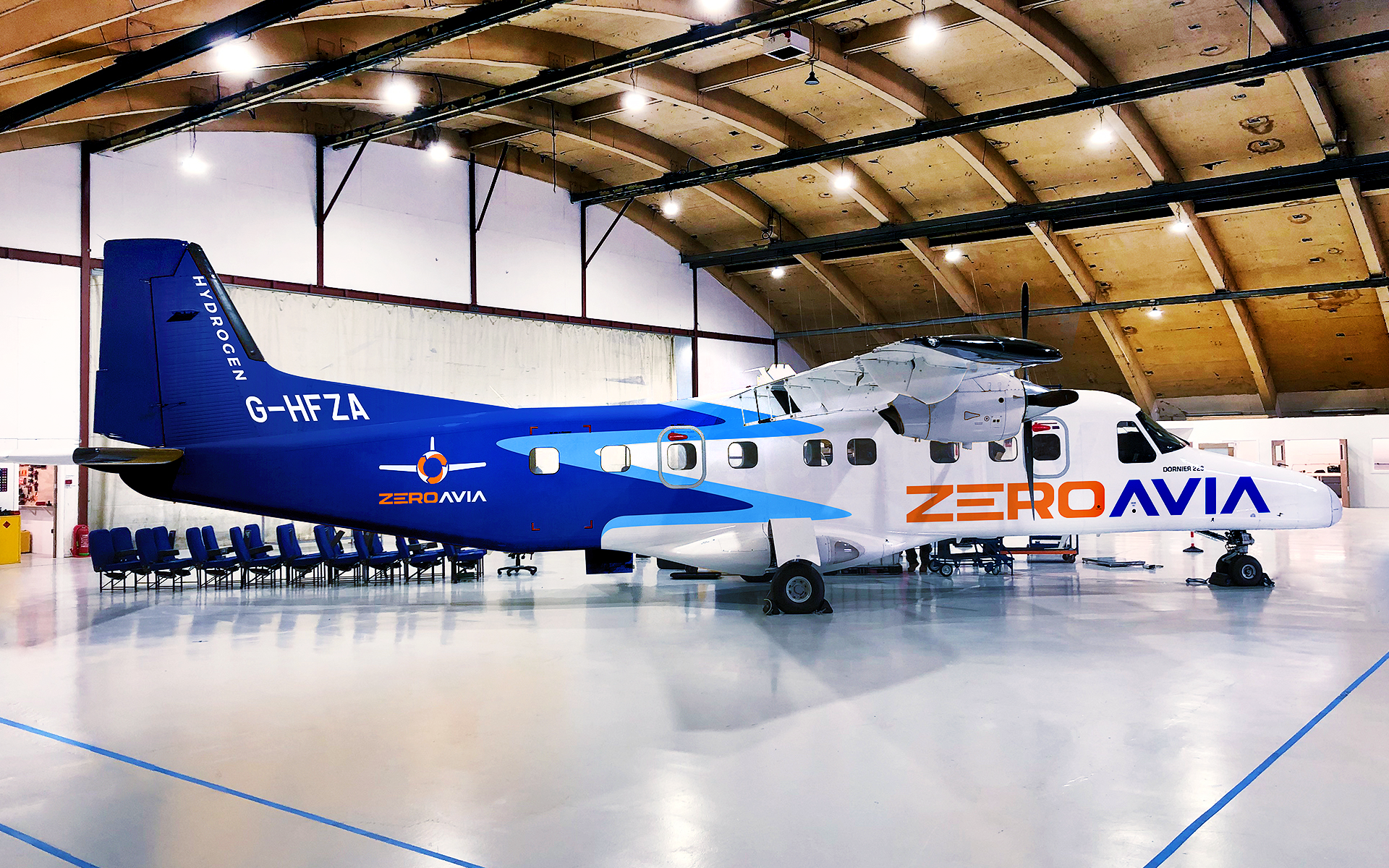
    ZeroAvia has already extensively tested a prototype of its first ZA600-engine aboard a Dornier 228 aircraft at its UK base. The company has also performed advanced ground tests in the US and UK for the key building block technologies for the ZA2000 system, including cryogenic tanks or LH2 and proprietary high-temperature PEM fuel cell and electric propulsion systems. ZA2000 will support up to 80 seat regional turboprop aircraft such as the ATR72 or the Dash 8 400.   

    Discover the ZA600 PGS

    About ZeroAvia 


    ZeroAvia is leading the transition to a clean future of flight by developing electric propulsion technologies for aviation to unlock lower costs and emissions, cleaner air, reduced noise, energy independence and increased connectivity. The company is developing hydrogen-electric (fuel cell-powered) engines for existing commercial aircraft segments and also supplying hydrogen and electric propulsion component technologies for novel electric air transport applications (including battery, hybrid and fuel cell powered electric fixed-wing aircraft, novel eVTOL designs, rotorcraft and Unmanned Aerial Vehicles). ZeroAvia has submitted its first full engine for up to 20-seat planes for certification and is working on a larger powertrain for 40–80-seat aircraft, with significant flight test and regulatory milestones achieved with the U.S. FAA and UK CAA.  


    For more, please visit ZeroAvia.com, follow @ZeroAvia on Facebook, Twitter/X, Instagram, LinkedIn, and YouTube. 


    ZeroAvia Press Team
    press@zeroavia.com

    Horizon Aircraft and ZeroAvia Announce Plans to Explore Hydrogen eVTOL Propulsion 

    Announcement represents Horizon Aircraft’s first step towards zero-emission regional air travel with a focus on real-world implementation

    July 15, 2025 – ZeroAvia and Horizon Aircraft – an advanced aerospace engineering company and developer of one of the world’s first hybrid eVTOL (electric Vertical Take-Off and Landing) aircraft – today announced plans to work together on developing regional hydrogen-electric VTOL air travel.  


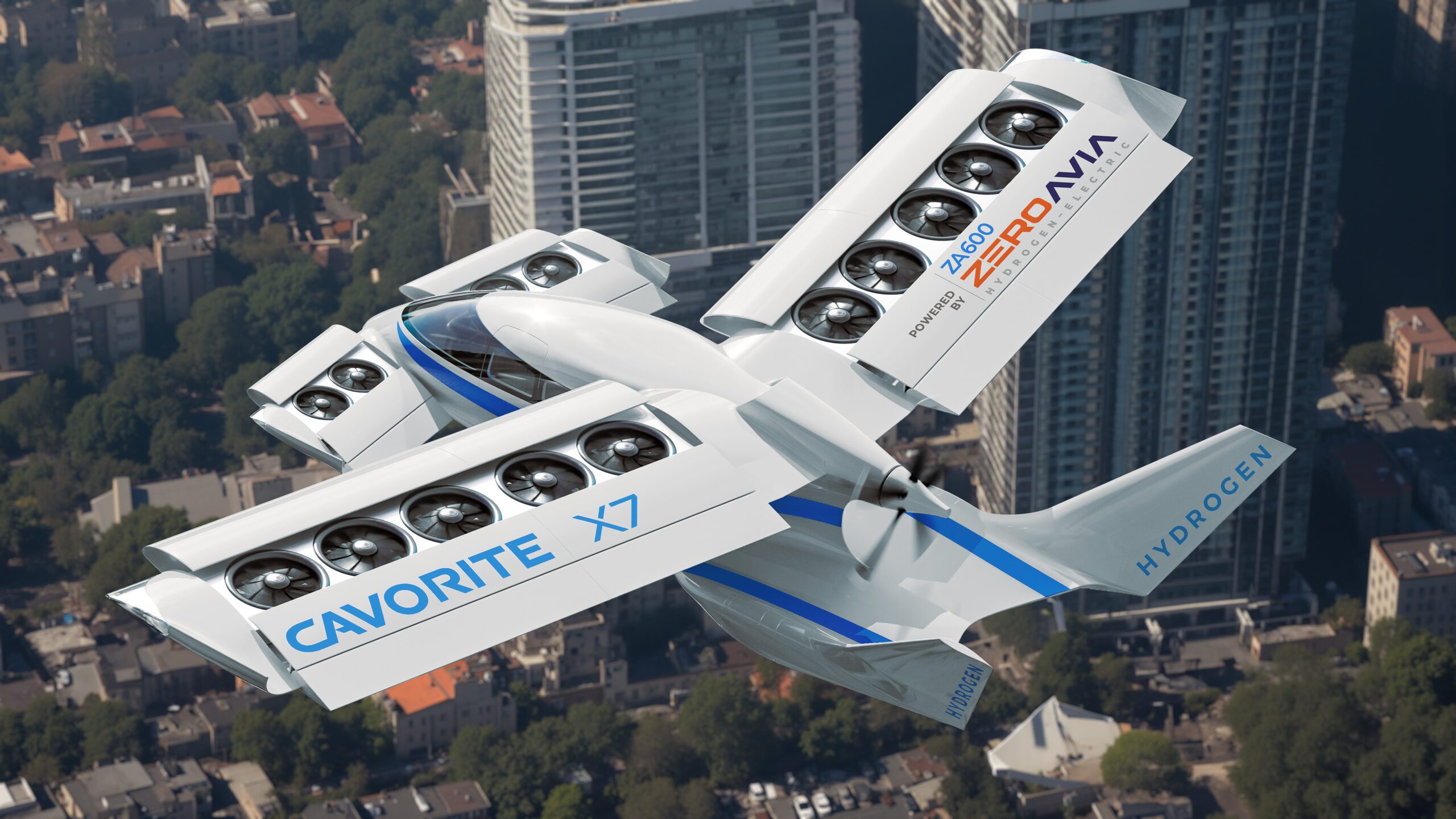
    Together, the companies will cooperate on exploring ZeroAvia’s ZA600 hydrogen-electric powertrain for Horizon Aircraft’s Cavorite X7 eVTOL.   


    The Cavorite X7’s unique fan-in-wing design incorporates 14 lift fans providing the thrust for vertical takeoff, with sliding panels which hide the fans as the aircraft transitions from hover to wing-borne flight and flies like a normal plane. For landing, it can use a normal runway, or the fans can be deployed to touchdown on a helipad, or an area the size of a tennis court. 


    Horizon Aircraft has already performed untethered flight tests of a large-scale prototype, including demonstrating hover modes and transition to wing-borne flight. The company has received backing from the U.S. Department of Defense and approvals for flight testing from the Canadian regulator.   


    As well as investigating the integration of ZeroAvia’s powertrain, the partnership will accelerate research into the necessary infrastructure and certification guidelines to unlock a zero-emission pathway for Horizon Aircraft.  

    Val Miftakhov, Founder & CEO,  ZeroAvia said: 


    “More and more eVTOL companies are looking to hydrogen-electric propulsion as the breakthrough that can extend range potential and durability of electric propulsion systems. Horizon Aircraft has developed an exciting application and performed successful prototype testing, and they are taking another leadership step in exploring hydrogen as a potential propulsion option for the Cavorite X7.” 

    Brandon Robinson, CEO and Co-founder at Horizon Aircraft, said: 


    “We are a company that continues to focus on what is best for operators of our aircraft. We have been impressed with ZeroAvia’s recent flight demonstrations of hydrogen-electric propulsion systems and the company’s traction with regulators. We are thankful for the opportunity to explore hydrogen solutions for the regional air mobility market which could develop into a viable solution to deliver clean, fast, and highly-efficient air travel.

    The planned collaboration with ZeroAvia represents an innovative move forward for Horizon Aircraft as it considers all operational and practical technologies. The company is developing strong aerospace partnerships while building momentum towards certification and commercial readiness.


    For more information about Horizon Aircraft, please visit the Company’s website or watch its innovative technology in action on the Company’s YouTube channel. 

    Subscribe to our Newsletter

    About ZeroAvia 

    ZeroAvia is leading the transition to a clean future of flight by developing electric propulsion technologies for aviation to unlock lower costs and emissions, cleaner air, reduced noise, energy independence and increased connectivity. The company is developing hydrogen-electric (fuel cell-powered) engines for existing commercial aircraft segments and also supplying hydrogen and electric propulsion component technologies for novel electric air transport applications (including battery, hybrid and fuel cell powered electric fixed-wing aircraft, novel eVTOL designs, rotorcraft and Unmanned Aerial Vehicles).  ZeroAvia has submitted its first full engine for up to 20-seat planes for certification and is working on a larger powertrain for 40–80-seat aircraft, with significant flight test and regulatory milestones achieved with the U.S. FAA and UK CAA.


    For more, please visit ZeroAvia.com, follow @ZeroAvia on Facebook, Twitter/X, Instagram, LinkedIn, and YouTube. 


    ZeroAvia Press Team

    press@zeroavia.com

    ZeroAvia and Loganair Sign Agreement on Zero-Emission Flights 

    Leading zero-emission aircraft engine innovator to work with UK’s leading regional airline on bringing zero-emission flight to passengers

    [@Paris Air Show: June 17th, 2025]ZeroAvia today announced that it has signed a Memorandum of Understanding (MOU) with Loganair to work towards potential adoption of hydrogen-electric engines to support zero-emission flights.  


    ZeroAvia is advancing certification of a 600kW hydrogen-electric powertrain for 10-20 seat aircraft with the UK’s CAA. Targeting the Cessna Caravan as the launch airframe, ZeroAvia intends to obtain additional supplemental type certificates (STCs) for other aircraft in this category, including the Twin Otter a popular airframe operated by Loganair to serve communities in the Scottish Highlands & Islands.  


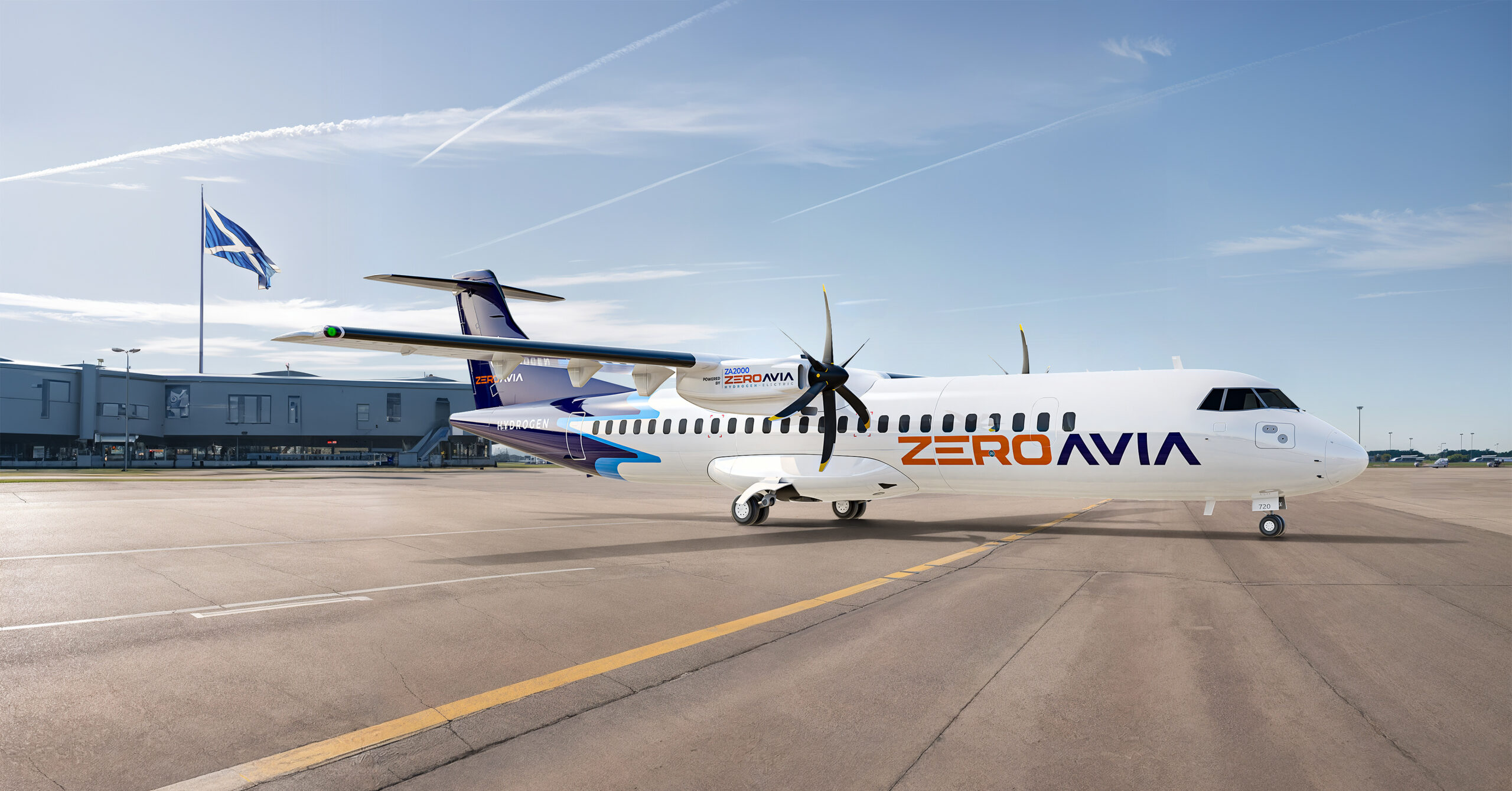
    ZeroAvia is concurrently developing the modular ZA2000 engine for 40-80 seat aircraft such as the ATR family of aircraft, with Loganair currently operating more than 20 of these airframes.   


    Hydrogen-electric engines use hydrogen in fuel cells to generate electricity to power electric motors that turn propulsors, with the only byproduct being water. With regional turboprop aircraft operating below typical contrail formation, the in-flight emissions impact is effectively zero.  


    Importantly, these novel engines promise cost reductions for airlines. The substantially lower maintenance needs of hydrogen-electric engines will mean a decrease in maintenance and downtime for an airline’s fleet, with hydrogen fuel also projected to be significantly more cost effective than kerosene over time.   


    Today’s agreement cements some of ZeroAvia’s growing ties in Scotland. ZeroAvia has been in a longstanding partnership to explore airport hydrogen fuel infrastructure with Glasgow Airport and recently announced plans alongside the First Minister of Scotland to establish its hydrogen fuel cell manufacturing centre close to the airport and Loganair’s headquarters.  

    Val Miftakhov, Founder & CEO,  ZeroAvia said: 


    It is hard not to be impressed by Luke and team’s dedication and passion for delivering crucial connectivity to its customers. Loganair’s route network lends itself very well to adoption of both our ZA600 and ZA2000 engine technology post certification, so hopefully this can be the start of a longlasting customer relationship for ZeroAvia, and cleaner transport for passengers in Scotland and the UK.”   

    Luke Farajallah, CEO, Loganair said: 


    The recent commitments made by ZeroAvia to bring their hydrogen fuel-cell manufacturing centre to Glasgow, and the strong engagement between our senior teams, has made this next step entirely possible and logical. The future of sustainable flight will rely on companies like ZeroAvia and Loganair to be the pioneers of new technology, and we see the work being undertaken by Val and the team as being incredibly inspiring and realistic when set against our own work and ambitious targets in this space. We truly believe the Loganair fleet and network to be the perfect airline/geography combination when considering the ZeroAvia product suite and we look forward to working together to provide a greener future. 

    Subscribe to our Newsletter

    About ZeroAvia 

    ZeroAvia is leading the transition to a clean future of flight by developing electric propulsion technologies for aviation to unlock lower costs and emissions, cleaner air, reduced noise, energy independence and increased connectivity. The company is developing hydrogen-electric (fuel cell-powered) engines for existing commercial aircraft segments and also supplying hydrogen and electric propulsion component technologies for novel electric air transport applications (including battery, hybrid and fuel cell powered electric fixed-wing aircraft, novel eVTOL designs, rotorcraft and Unmanned Aerial Vehicles).  ZeroAvia has submitted its first full engine for up to 20-seat planes for certification and is working on a larger powertrain for 40–80-seat aircraft, with significant flight test and regulatory milestones achieved with the U.S. FAA and UK CAA.


    For more, please visit ZeroAvia.com, follow @ZeroAvia on Facebook, Twitter/X, Instagram, LinkedIn, and YouTube. 


    ZeroAvia Press Team

    press@zeroavia.com

    About Loganair 

    Loganair is the UK’s leading regional airline, operating over 70 routes across the UK and Europe. Founded in 1962, it is renowned for connecting regional communities with reliable and convenient air services. 


    ZeroAvia to Build Manufacturing Hub in Scotland 

    Zero-emission aviation leader will launch a Hydrogen Centre of Excellence and major manufacturing facility close to Glasgow Airport

    Scottish Enterprise have awarded ZeroAvia a £9m Regional Selective Assistance grant to help realise the project alongside company investment, creating hundreds of jobs

    The manufacturing plans build on UK Government R&D funding and equity investment into ZeroAvia

    Scotland’s First Minister John Swinney and UK Government Secretary of State for Scotland Ian Murray launches the new project alongside ZeroAvia CEO Val Miftakhov

    [Everett, WA and Kemble, UK: May 21, 2025]ZeroAvia today announced that it will build a major manufacturing facility for production of its hydrogen-electric powertrains at the Advanced Manufacturing Innovation District Scotland, close to Glasgow Airport in Renfrewshire.  


    ZeroAvia’s Hydrogen Centre of Excellence will support the company in a range of manufacturing operations relating to powertrain production and testing and will also be the company’s primary location for production of advanced high temperature PEM (HTPEM) fuel cell stacks and supporting systems. With nearly 3,000 full engine and component pre-orders agreed with airlines and OEMs – corresponding to over $10 billion in future revenues – ZeroAvia is advancing its production operations to meet demand.  


    The new facility will complement ZeroAvia’s Propulsion Center of Excellence in Washington State which is focusing primarily on electric motors and power electronics. The company also has plans to expand its R&D and aircraft testing centre at Cotswold Airport in Gloucestershire. 


    The project in Scotland, which will unlock millions in private investment and support hundreds of jobs over the next few years, has been made possible by a £9m Regional Selective Assistance grant from Scottish Enterprise. This follows an equity investment of £20m from the Scottish National Investment Bank into ZeroAvia as part of the company’s Series C funding, with the UK National Wealth Fund investing £32 million as a cornerstone-level investor in the round. The Series C funding round was led by Airbus, Barclays Sustainable Impact Capital and NEOM Investment Fund.


    The UK Government awarded ZeroAvia and consortium partners £10.5 million to develop the advanced HTPEM fuel cells in 2024 via the Aerospace Technology Institute (ATI) programme in conjunction with the Department for Business and Trade and Innovate UK. The UK Government has awarded ZeroAvia £18.5 million total R&D funding since 2019 to develop their fuel cell and powertrain technology. This support alongside more than $250 million private investment has enabled ZeroAvia to make rapid progress: flying the world’s first hydrogen-electric commercial scale aircraft in 2020, more than doubling the power output to again fly the world’s largest hydrogen-electric aicraft in 2023, manufacturing and shipping fuel cell systems to customers, and securing significant regulatory traction for the certification of its powertrains. 


    Scotland First Minister John Swinney and Secretary of State for Scotland Ian Murray spoke at an event at Glasgow Airport today (Wednesday 21 May) to launch ZeroAvia’s plans for its manufacturing facility at AMIDS. 

    John Swinney, First Minister of Scotland, said: 


    “Scotland has the skills, the talent and the innovation to be at the forefront of efforts to tackle the climate emergency while developing significant new opportunities to grow the economy.”


    “ZeroAvia’s decision to establish a base in Scotland – creating 350 highly-skilled jobs in the process – is the perfect illustration of Scotland’s growing reputation in the global transition to net zero.” 


    “By setting out a strategic vision in priority areas such as hydrogen, we are sending a clear statement to investors and businesses that Scotland is at the heart of the green energy revolution. The Hydrogen Centre of Excellence will be at the forefront of fuel cell technology and offers a hugely promising and exciting proposition for sustainable aviation.”

    Val Miftakhov, Founder & Chief Executive, ZeroAvia, said: 


    “Scotland has some unique advantages for ZeroAvia with strong aerospace and engineering skills, a burgeoning hydrogen sector and a clear aviation strategy with potential for early adoption of zero-emission flights. The aviation industry is on the cusp of the biggest transformation since the advent of the jet age, with entirely new propulsion systems set to power the next era of aviation – cleaner flights, better economics and better experiences for all.”  


    “With this new facility, Scotland has a big role to play in driving this transformation. We welcome the grant award from Scottish Enterprise and the support of our equity investors that has enabled us to move into another phase of manufacturing readiness as we progress towards certification of our first engines.” 

    Adrian Gillespie Chief Executive, Scottish Enterprise, said: 


    “It is fantastic that we’ve been able to attract ZeroAvia to Scotland, not only for the jobs they will be creating, but for the hugely important role they can play in ensuring Scotland maintains its reputation for fostering innovative green technologies.” 


    “Making aviation sustainable is crucial to a successful green economy and Scottish Enterprise is fully committed to backing ambitious companies with innovative ideas. ZeroAvia’s decision to come to Scotland is a real boost to our energy transition leadership, as well as being a further example of why Scotland is such a great place for inward investment.” 

    Scottish Secretary, Ian Murray, said: 


    “Crucial investment from the UK Government is helping to develop the fuel cell technology that will be manufactured here in Scotland at this new facility. It will create and sustain hundreds of skilled Scottish jobs, help achieve our net zero goals, and boost the economy. This is a key part of our Plan for Change.”  


    “ZeroAvia’s expansion in Renfrewshire underlined everything that our Brand Scotland campaign champions – promoting Scotland’s goods, services and skilled workforce worldwide. I’m delighted to see this project move forward. It is a perfect example of the UK and Scottish Governments working together to drive innovation and manufacturing in Scotland.” 

    UK Government Industry Minister, Sarah Jones, said: 


    “This is a major vote of confidence from ZeroAvia in both our modern and Industrial Strategy and Scotland’s thriving advanced manufacturing sector, which will create good, well-paid jobs working on the green technologies for the future.” 


    “Made possible with support from the UK Government, this is testament to how industry and government can work together to drive investment, growth and jobs in every corner of the UK, showing our Plan for Change is working.” 

    Al Denholm, Chief Executive of Scottish National Investment Bank, said: 


    Decarbonising aviation and developing our hydrogen industry are critical elements in our journey toward a net-zero economy. Having ZeroAvia’s manufacturing base near Glasgow Airport will bring highly skilled jobs to the area, and we’re particularly pleased to see the demand that already exists for this innovative technology.”

    The Advanced Manufacturing Innovation District Scotland (AMIDS) is a collaborative project between Renfrewshire Council and Buccleuch Property which targets establishing Renfrewshire as Scotland’s home for manufacturing innovation. 

    Iain Nicolson Renfrewshire Council Leader,  said: 


    “We are delighted to welcome ZeroAvia to AMIDS as they bring cutting-edge technology and expertise to Renfrewshire, and the potential for hundreds of jobs and millions in private investment into the area. Working with Buccleuch Property, we will continue to provide a sector-leading environment for advanced manufacturing and life science businesses to locate and collaborate and we believe ZeroAvia will be the first of many to call AMIDS home in the coming years.” 


    Gary Elliott, Aerospace Technology Institute, said: 

     
    ZeroAvia’s new facility in Scotland is fantastic news for the whole of the UK. It shows how investment in aerospace research, made possible by support from the ATI Programme, is delivering jobs and growth right across the country, unlocking private investment and helping address climate change.”


    ZeroAvia is advancing certification of a 600kW hydrogen-electric powertrain with the UK CAA, and also working with the regulator as part of its Hydrogen Sandbox Challenge. The company is also developing the next generation of fuel cell aircraft engines with its ZA2000 for 40-80 seat aircraft. Scaling to meet the power and operational requirements for these larger aircraft requires advanced fuel cells with higher power-to-weight ratio. The high temperature fuel cells that ZeroAvia will manufacture in the planned Glasgow facility are key to unlocking fuel cell propulsion for larger aircraft.  


    ZeroAvia will advance planning of its facility at AMIDS over the next few months and plans to locate team members at the adjacent National Manufacturing Institute Scotland (NMIS).   

    Subscribe to our Newsletter

    About ZeroAvia 

    ZeroAvia is leading the transition to a clean future of flight by developing electric propulsion technologies for aviation to unlock lower costs and emissions, cleaner air, reduced noise, energy independence and increased connectivity. The company is developing hydrogen-electric (fuel cell-powered) engines for existing commercial aircraft segments and also supplying hydrogen and electric propulsion component technologies for novel electric air transport applications (including battery, hybrid and fuel cell powered electric fixed-wing aircraft, novel eVTOL designs, rotorcraft and Unmanned Aerial Vehicles).  ZeroAvia has submitted its first full engine for up to 20-seat planes for certification and is working on a larger powertrain for 40–80-seat aircraft, with significant flight test and regulatory milestones achieved with the U.S. FAA and UK CAA.


    For more, please visit ZeroAvia.com, follow @ZeroAvia on Facebook, Twitter/X, Instagram, LinkedIn, and YouTube. 


    ZeroAvia Press Team

    press@zeroavia.com

    ZeroAvia and FlightSafety International to Partner on Pilot & Maintenance Training for Zero-Emission Flight 

    Partners will work to ensure preparedness for hydrogen-electric aircraft operation in tandem with certification progress

    [Everett, WA: March 27, 2025] ZeroAvia today announced that it has signed a memorandum of understanding (MOU) with FlightSafety International to develop training resources for pilots and maintenance technicians to support adoption of hydrogen-electric propulsion technologies.  


    The two partners aim to develop training resources, such as flight simulators and digital learning platforms, that will prepare the aviation industry for the entry of fuel cell electric aircraft, enabling faster market adoption once the aircraft receives certification.   


    The two companies, in dialogue with regulators, will also explore future governance of training for new, clean alternative propulsion technologies.  


    Through the flight testing of its 19-seat testbed, ZeroAvia has garnered unique experience in both pilot operations and integration as well as maintenance related to hydrogen-electric aircraft engines. In addition, through its work with more than a dozen airports on planning their future hydrogen usage, and via the in-house development of its own smart hydrogen production and mobile storage and dispensing refueling vehicles, ZeroAvia has a strong body of knowledge around airport ground operations relating to hydrogen.      


    FlightSafety International has created and delivered safety-focused aviation training for nearly 75 years. It has worked with virtually every business jet and engine manufacturer to prepare pilots and maintenance technicians for every flight scenario, elevating the safety of the entire industry. 


    ZeroAvia recently announced it has received an FAA G-1 issue paper for its 600kW electric propulsion system, and targets the full ZA600 hydrogen-electric powertrain for entry-in-service within the next two years, before scaling to a multi-megawatt powertrain for large regional aircraft. The company has accrued over 2,000 engine pre-orders from major commercial airlines, including American, United and Alaska Airlines, with American committing to a conditional purchase order in July last year.  

    Oliver Henstridge, VP of Sales & Business Development,  ZeroAvia, said:


    As we look towards certification and entry-in-service of our first engines and then scaling up the technology into larger aircraft, it is essential we work with the best partners to prepare our customer airlines and other organizations. FlightSafety International’s enthusiasm for hydrogen-electric technology matched to its expertise and reach is another check mark that the industry can and will manage a transition to clean, efficient and affordable propulsion systems. 

    Nate Speiser, Executive Vice President of Sales and Marketing, FlightSafety International, said:


    FlightSafety has always been at the forefront of aviation safety. As the industry explores viable options for clean air travel, we are committed to developing training that provides peace of mind to flight operations and their passengers. We are confident that ZeroAvia has the expertise to bring their vision of zero-emission engines to market, and we are proud to establish the training for this innovative type of aircraft.

    Subscribe to our Newsletter

    About ZeroAvia 


    ZeroAvia is leading the transition to a clean future of flight by developing electric propulsion technologies for aviation to unlock lower costs and emissions, cleaner air, reduced noise, energy independence and increased connectivity. The company is developing hydrogen-electric (fuel cell-powered) engines for existing commercial aircraft segments and also supplying hydrogen and electric propulsion component technologies for novel electric air transport applications (including battery, hybrid and fuel cell powered electric fixed-wing aircraft, novel eVTOL designs, rotorcraft and Unmanned Aerial Vehicles).  ZeroAvia has submitted its first full engine for up to 20-seat planes for certification and is working on a larger powertrain for 40–80-seat aircraft, with significant flight test and regulatory milestones achieved with the U.S. FAA and UK CAA.


    For more, please visit ZeroAvia.com, follow @ZeroAvia on Facebook, Twitter/X, Instagram, LinkedIn, and YouTube. 


    ZeroAvia Press Team
    press@zeroavia.com

    About FlightSafety International 


    FlightSafety International is the world’s preeminent professional aviation training company and supplier of flight simulators, visual systems, and displays to educational, commercial, government, and military organizations. The company elevates safety standards across the aviation industry through rigorous training for pilots, technicians, and other professionals from 167 countries and independent territories. FlightSafety operates the world’s largest fleet of advanced full-flight simulators at learning centers and training locations in the United States, Canada, France, the United Kingdom, and Singapore. For more information, please visit flightsafety.com, and follow @FlightSafetyInt on Facebook, Instagram, and LinkedIn 


    FlightSafety International Press Team 

    FSIpress@apcoworldwide.com  

    ZeroAvia Recognized in Both TIME Magazine’s World’s & America’s Top Greentech Companies 2025 

    Zero-emission innovator ranks highly in U.S. list for second year running, while also ranking in top 100 of inaugural global list

    [Everett, WA and Kemble, UK, 26th March 2025]ZeroAvia today announced that it has been named to both TIME Magazine’s Top Greentech Companies in America and TIME Magazine’s Top Greentech Companies in the World. 


    ZeroAvia was ranked the number one greentech company in America by TIME in 2024, and ranks in the top 50 again this year, while ranking 81st in the world list.  


    The analysis by TIME, in partnership with data firm  Statista, considered the positive impact, financial strength, and innovation of more than 8,000 companies developing products, services, or technologies to reverse the impact of human activities on the planet. The 250 top companies hail from over 30 countries on six continents. 


    ZeroAvia is working closely with regulators on the certification of its ZA600 hydrogen-electric engine for up to 20 seat aircraft and developing a second engine for 40-80 seat regional aircraft. The company has over 2,000 provisional engine orders in place, with operators including American Airlines converting these to firm orders. In addition, last year ZeroAvia launched a component offering to other cleansheet innovators based on its core technologies, recently confirming a first sale of its 600kW electric propulsion system to California-based Jetcruzer 


    Over the past year, ZeroAvia has continued to accumulate significant intellectual property from its R&D activity and was named the winner of the US Patent and Trademark Office’s Patents for Humanity Green Energy Award for hydrogen. In-house development in pursuit of its full hydrogen-electric powertrains has led to step-change technologies in hydrogen fuel cell power generation, power electronics and electric motor design for aerospace.  

    Val Miftakhov, Founder & CEO, ZeroAvia, said: 


    “It is a tremendous validation to rank so highly in both TIME’s U.S. and global lists of top greentech companies. This list brings home that successful greentech is first and foremost about innovation that will fundamentally disrupt a range of markets with huge economic impact. ZeroAvia is working to deliver just this in aviation with clean, efficient and more economical flights.” 


    Subscribe to our Newsletter

    About ZeroAvia 


    ZeroAvia is leading the transition to a clean future of flight by developing electric propulsion technologies for aviation to unlock lower costs and emissions, cleaner air, reduced noise, energy independence and increased connectivity. The company is developing hydrogen-electric (fuel cell-powered) engines for existing commercial aircraft segments and also supplying hydrogen and electric propulsion component technologies for novel electric air transport applications (including battery, hybrid and fuel cell powered electric fixed-wing aircraft, novel eVTOL designs, rotorcraft and Unmanned Aerial Vehicles).  ZeroAvia has submitted its first full engine for up to 20-seat planes for certification and is working on a larger powertrain for 40–80-seat aircraft, with significant flight test and regulatory milestones achieved with the U.S. FAA and UK CAA.


    For more, please visit ZeroAvia.com, follow @ZeroAvia on Facebook, Twitter/X, Instagram, LinkedIn, and YouTube. 


    ZeroAvia Press Team

    press@zeroavia.com

    ZeroAvia Awarded U.S. Airforce Grant for an Autonomous Hydrogen-Electric Aircraft 

    [Everett, WA – March 25th, 2025] – ZeroAvia today announced it has been selected by AFWERX for a Small Business Innovation Research (SBIR) grant to conduct a feasibility study focused on integrating hydrogen propulsion into Cessna Caravan aircraft alongside advanced aircraft automation technology. AFWERX awards aim to address research questions with specific implications for the most pressing challenges in the Department of the Air Force (DAF).  


    ZeroAvia will analyze the potential for developing and delivering an 8,000 lb autonomous aircraft with hydrogen-electric propulsion for reduced engine noise and low thermal signature, thus significantly reducing detectability. Hydrogen fuel cells are a promising technology for improving the range, duration and turnaround time of a range of electric Unmanned Aerial Vehicles (UAV).  


    Hydrogen has additional advantages as an aviation fuel as it can be produced at point of refueling given ready supply of electricity and water, which dramatically simplifies fuel logistics – a critical consideration for any defense applications. Finally, hydrogen has the highest energy per unit of weight of any chemical energy source, which allows for potential maximum range of over 2,000 nm (almost 4,000 km) in an autonomous aircraft of this type.  


    Reliable Robotics – the California-based specialists in remote operation of aircraft – will support ZeroAvia in exploring relevant autonomous flight systems as part of the study. 


    The DAF began offering the Open Topic SBIR/STTR program in 2018 which expanded the range of innovations the DAF funded and ZeroAvia has started its journey to create and provide innovative capabilities that will strengthen the national defense of the United States of America. The study will explore the integration potential and operational impacts of strategically important technologies in the shape of autonomy and fuel cells.  


    ZeroAvia is advancing certification of a 600kW hydrogen-electric powertrain – ZA600, which uses fuel cells to convert hydrogen fuel into electricity to power electric motors – with civil regulators. The planned first airframe is the Cessna Caravan, manufactured by Textron. The company recently announced a significant regulatory milestone after receiving an FAA G-1 issue paper for its 600kW electric propulsion system.  


    Val Miftakhov, Founder & CEO, ZeroAvia, said: 


    “It is a hugely important signal to see the U.S. Air Force exploring the potential application of hydrogen fuel cells and electric propulsion in heavy unmanned aircraft.  This feasibility study will provide greater insight into how hydrogen fuel cell propulsion can reduce detectability and costs of air operations, enhance capability of autonomous air vehicles and derisk fuel supply in forward operating environments.” 

    The views expressed are those of the author and do not necessarily reflect the official policy or position of the Department of the Air Force, the Department of Defense, or the U.S. government.  

    Subscribe to our Newsletter

    About ZeroAvia 


    ZeroAvia is leading the transition to a clean future of flight by developing electric propulsion technologies for aviation to unlock lower costs and emissions, cleaner air, reduced noise, energy independence and increased connectivity. The company is developing hydrogen-electric (fuel cell-powered) engines for existing commercial aircraft segments and also supplying hydrogen and electric propulsion component technologies for novel electric air transport applications (including battery, hybrid and fuel cell powered electric fixed-wing aircraft, novel eVTOL designs, rotorcraft and Unmanned Aerial Vehicles).  ZeroAvia has submitted its first full engine for up to 20-seat planes for certification and is working on a larger powertrain for 40–80-seat aircraft, with significant flight test and regulatory milestones achieved with the U.S. FAA and UK CAA.


    For more, please visit ZeroAvia.com, follow @ZeroAvia on Facebook, Twitter/X, Instagram, LinkedIn, and YouTube. 


    ZeroAvia Press Team

    press@zeroavia.com

    About Reliable Robotics 


    Reliable Robotics launched in 2017 to bring safe, certified automation systems to commercial and defense aviation. The company’s system enables remote operation of any aircraft type. Reliable’s vision is to transform the way we move goods and people around the planet with safer, more convenient and more affordable air transportation. The company is headquartered in Mountain View, CA and has a distributed global workforce. Learn more and see job openings at https://reliable.co. 


    About AFRL   


    The Air Force Research Laboratory is the primary scientific research and development center for the Department of the Air Force. AFRL plays an integral role in leading the discovery, development, and integration of affordable warfighting technologies for our air, space and cyberspace force. With a workforce of more than 12,500 across nine technology areas and 40 other operations across the globe, AFRL provides a diverse portfolio of science and technology ranging from fundamental to advanced research and technology development. For more information, visit afresearchlab.com 

     
    About AFWERX  


    As the innovation arm of the DAF and a directorate within the Air Force Research Laboratory, AFWERX brings cutting-edge American ingenuity from small businesses and start-ups to address the most pressing challenges of the DAF. AFWERX employs approximately 370 military, civilian and contractor personnel at five hubs and sites executing an annual $1.4 billion budget. Since 2019, AFWERX has executed over 6,200 new contracts worth more than $4.7 billion to strengthen the U.S. defense industrial base and drive faster technology transition to operational capability. For more information, visit afwerx.com. 

    Former FAA Administrator Billy Nolen Joins ZeroAvia  

    Leader in zero-emission aviation enlists regulation and aviation safety heavyweight to build on strong certification traction

    [Everett, WA: 20th March 2025] — ZeroAvia has appointed former Federal Aviation Administrator Billy Nolen as a Senior Strategy & Regulatory Advisor to the company. A vastly experienced safety expert, airline executive and pilot, Nolen will work with ZeroAvia’s team to expedite the push towards certification of both its 600kW electric propulsion system and its full hydrogen-electric powertrains.


    ZeroAvia recently announced a significant regulatory milestone after receiving an FAA G-1 issue paper for its 600kW electric propulsion system. The company is also working to certify its first full hydrogen-electric powertrain – ZA600 – with the UK CAA.


    Nolen spent more than a quarter of a century with American Airlines, including as a pilot operating narrowbody and wide-body aircraft. His career as a pilot was followed by roles focused on safety with American, Qantas and Westjet, before he joined the FAA, first as associate administrator for safety, before quickly taking on the role of acting administrator.  


    Since departing his role at the FAA in June 2023, Nolen has served as Archer Aviation’s Chief Regulatory Affairs Officer and will continue in this role, splitting his time between both of the two innovative aerospace scale-ups.   

    Val Miftakhov, Founder & CEO, ZeroAvia, said: 


    Billy’s expertise on safety and the regulatory landscape will be another big advantage for ZeroAvia as we seek to certify our first engine and enter into service. We are seeing great traction with the regulators who understand that this is a global race to deliver the aircraft propulsion systems of the future, and that safely certifying these technologies at pace creates a huge industrial opportunity. We’re excited to leverage Billy’s experience in this direction.

    Billy Nolen, Senior Strategy & Regulatory Advisor, ZeroAvia said: 


    We are on the cusp of a shift towards alternative propulsion systems and new aircraft modalities that is going to be the most exciting time in aviation since the dawning of the jet age. I could not be more thrilled to be joining one of the standout pioneers and look forward to helping the team make history by obtaining the company’s first type certificates.” 

    ZeroAvia has already extensively tested a prototype of its first ZA600-engine aboard a Dornier 228 aircraft at its UK base. The company has also performed advanced ground tests in the US and UK for the key building block technologies for the ZA2000 system, including cryogenic tanks or LH2 and proprietary high-temperature PEM fuel cell and electric propulsion systems. ZA2000 will support up to 80seat regional turboprop aircraft such as the ATR72 or the Dash 8 400.   

    Subscribe to our Newsletter

    About ZeroAvia 


    ZeroAvia is leading the transition to a clean future of flight by developing electric propulsion technologies for aviation to unlock lower costs and emissions, cleaner air, reduced noise, energy independence and increased connectivity. The company is developing hydrogen-electric (fuel cell-powered) engines for existing commercial aircraft segments and also supplying hydrogen and electric propulsion component technologies for novel electric air transport applications (including battery, hybrid and fuel cell powered electric fixed-wing aircraft, novel eVTOL designs, rotorcraft and Unmanned Aerial Vehicles).  ZeroAvia has submitted its first full engine for up to 20-seat planes for certification and is working on a larger powertrain for 40–80-seat aircraft, with significant flight test and regulatory milestones achieved with the U.S. FAA and UK CAA.


    For more, please visit ZeroAvia.com, follow @ZeroAvia on Facebook, Twitter/X, Instagram, LinkedIn, and YouTube. 


    ZeroAvia Press Team

    press@zeroavia.com

    ZeroAvia Selected as Winner of the US Patent and Trademark Office’s Patents for Humanity Green Energy Award 

    [Everett, WA, USA: December, 3rd 2024] ZeroAvia today announced that it has been selected as a winner of the United States Patent and Trademark Office’s (USPTO) Patents for Humanity Green Energy Program 2024, and the only winner in the Hydrogen category. The award recognizes innovations that address climate change through game-changing green energy technologies that are the subject of or pending a U.S utility patent.  


    ZeroAvia was recognized for the totality of its patent applications covering key inventions that unlock hydrogen and electric propulsion for aircraft, enabling the use of green hydrogen as a fuel for truly clean commercial aviation. Patents include an invention that enables more efficient cooling of fuel cells without increasing drag – a longstanding challenge to their practical use to power aircraft – and an invention of novel coatings which enable high temperature PEM fuel cells that promise much higher power density. 


    ZeroAvia is advancing technologies that can produce, store and use clean hydrogen efficiently, with the potential to reduce aviation greenhouse gas emissions by more than 90 percent. The company has filed 217 patent applications to date, with 31 already granted.


    In addition to the impact on emissions, the development of these patents into commercially-applied technologies will lead to improved energy security, reduced air travel costs to help combat inflation, better customer and community experience thanks to cleaner air and lower noise, and the creation of thousands of skilled manufacturing jobs.


    ZeroAvia has already extensively tested a prototype of its first 600kW hydrogen-electric powertrain, the ZA600, with the zero-emission engine now in the certification process with regulators. The intellectual property accrued by ZeroAvia as part of its full powertrain development has also created valuable hydrogen and electric propulsion component product lines which the company is now offering to other clean aviation innovators.    


    The company has also performed advanced ground tests in the US and UK for the key building block technologies for the ZA2000 system, a 2-MW system, including cryogenic tanks for liquid hydrogen storage and proprietary high-temperature PEM fuel cell and advanced electric propulsion systems. The ZA2000 will support up to 80 seat regional turboprop aircraft such as the ATR72 or the Dash 8 400.   

    Val Miftakhov, Founder and CEO, ZeroAvia said: 


    This award recognizes the power and breadth of our proprietary technology. We have been clear from the beginning that the right approach to disrupting the aviation industry and providing meaningful impact on emissions, required first principles thinking to determine optimal solutions, followed by deep vertical integration that enables an unparalleled IP portfolio.”

    The USPTO started Patents for Humanity to recognize and award groundbreaking innovations that address the world’s most pressing humanitarian problems. 

    Subscribe to our Newsletter

    About ZeroAvia 


    ZeroAvia is working to deliver the clean future of flight for the entirety of aviation by enabling electric propulsion. With a primary focus on developing hydrogen-electric (fuel cell-powered) engines, ZeroAvia has submitted its first powertrain for up to 20 seat planes for certification and is working on a larger powertrain for 40–80 seat aircraft. Founded in California and now with thriving teams in Everett, WA and the United Kingdom, ZeroAvia has secured experimental certificates to test its engines in three separate testbed aircraft with the FAA and CAA and passed significant flight test milestones. The company has signed a number of key engineering partnerships with major aircraft OEMs and has nearly 2,000 pre-orders for engines and its component systems from a number of the major global airlines, operators, and OEMs with future revenue potential over $10bn. For more, please visit ZeroAvia.com, follow @ZeroAvia on Facebook, Twitter/X, Instagram, LinkedIn, and YouTube. 

    ZeroAvia Press Team

    press@zeroavia.com